 GetAway4You
Destination stories · 5 October 2026 · 7 min read
Part of the Stockholm collection
The History of Stockholm: Vikings, Kings, the Vasa and a City Built on Water
From Viking burial mounds in Old Uppsala to the Vasa warship and Gamla Stan: how I walked through 1,000 years of Swedish history in and around Stockholm.
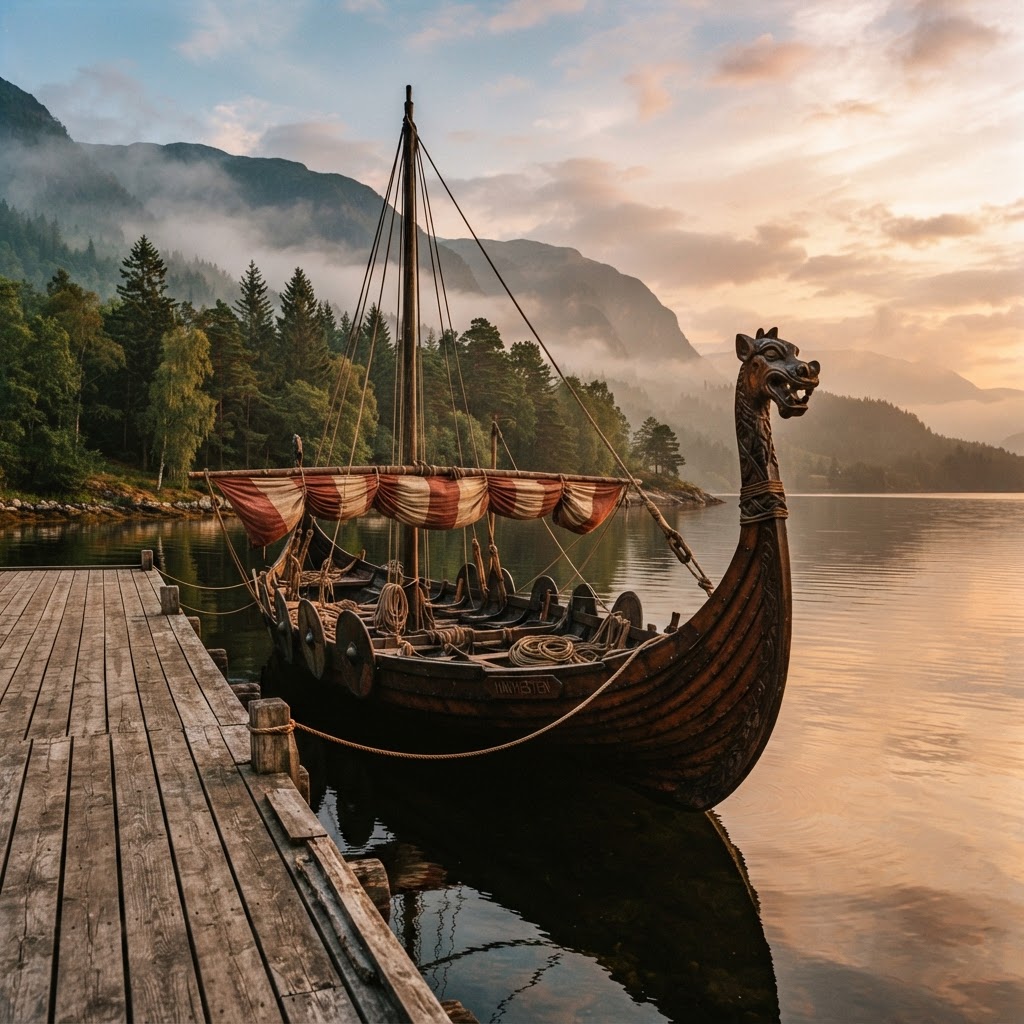
Stockholm is a beautiful city even if you know absolutely nothing about its history.
But once you begin understanding what happened here, the city changes.
The cobbled streets of Gamla Stan stop being merely photogenic. The Royal Palace becomes part of a story about kings, power and the creation of modern Sweden. The water surrounding the city becomes a reminder that Stockholm's location was strategically important long before ferries started carrying tourists between its islands.
And if you travel a little farther, to Old Uppsala, the timeline stretches back even further — into a landscape of burial mounds, Norse gods and Viking-age Scandinavia.
During my trip to Stockholm and Uppsala in June 2024, I realised that Sweden's history is unusually easy to experience physically.
You don't only read it.
You walk through it.
Before Stockholm: Viking-Age Sweden
We should start before Stockholm existed.
The Vikings did not originate specifically in Uppsala, as is sometimes casually claimed. Viking-age communities existed across what are now Sweden, Norway and Denmark.
But Uppsala was extremely important.
Old Uppsala, or Gamla Uppsala, was one of Scandinavia's significant political and religious centres during the Late Iron Age and Viking Age.
Today, its most striking features are the enormous Royal Mounds.
The mounds were built for elite burials during the Vendel period, before the conventional beginning of the Viking Age. Later, Old Uppsala remained important as a centre of Norse religious worship, associated with gods including Odin, Thor and Freyr.
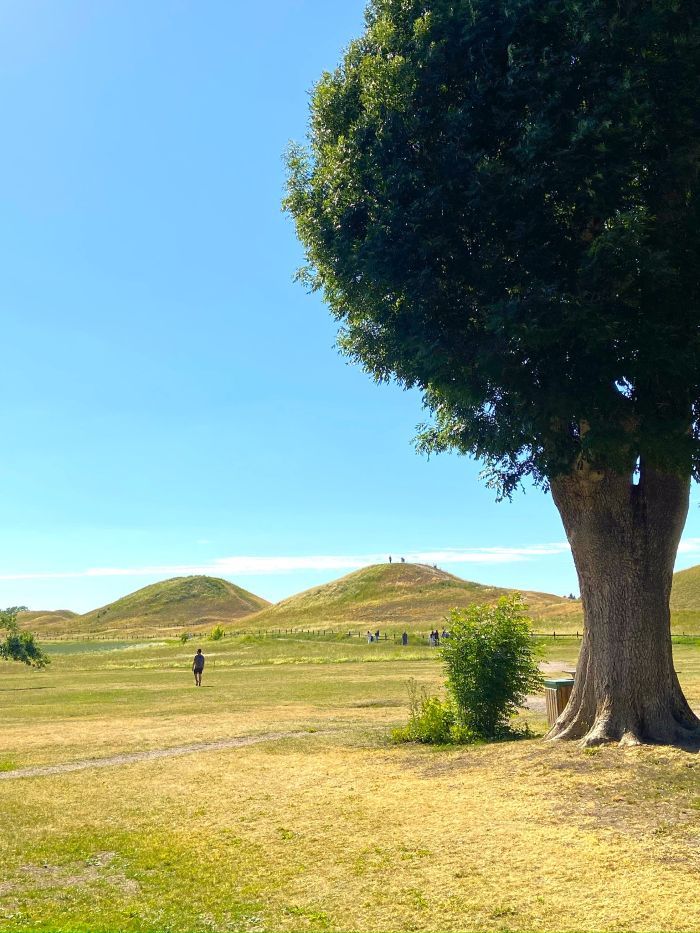
Standing in this landscape was one of the reasons I was so glad we added Uppsala to our trip.
Modern cities sometimes make history difficult to imagine because everything around you belongs to the present.
At Gamla Uppsala, the landscape does part of the work for you.
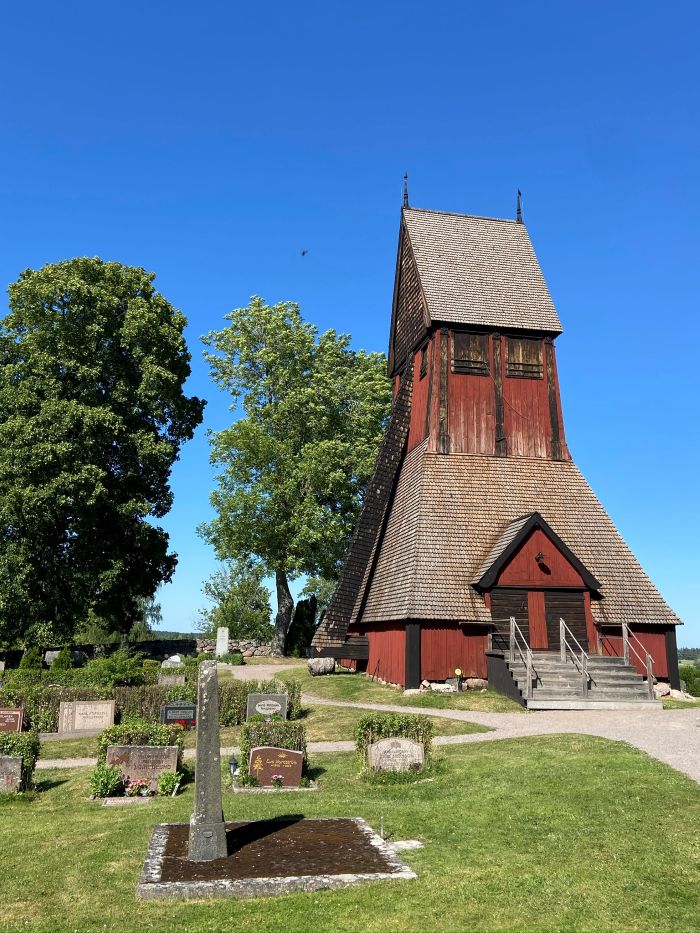
And if Viking history is what brought you here in the first place, make sure to visit the museum in Old Uppsala. The Gamla Uppsala Museum brings the burial mounds and the Norse world to life with original finds from the mounds themselves, and it sits just a short walk from the site.
Get Your Tickets for the Gamla Uppsala Museum Here
The Viking Age Was More Than Raiding
Popular culture has given us a very specific image of Vikings: ships, axes, helmets, raids.
The reality was much broader.
The people of Viking-age Scandinavia were traders, farmers, craftspeople, explorers and settlers as well as warriors.
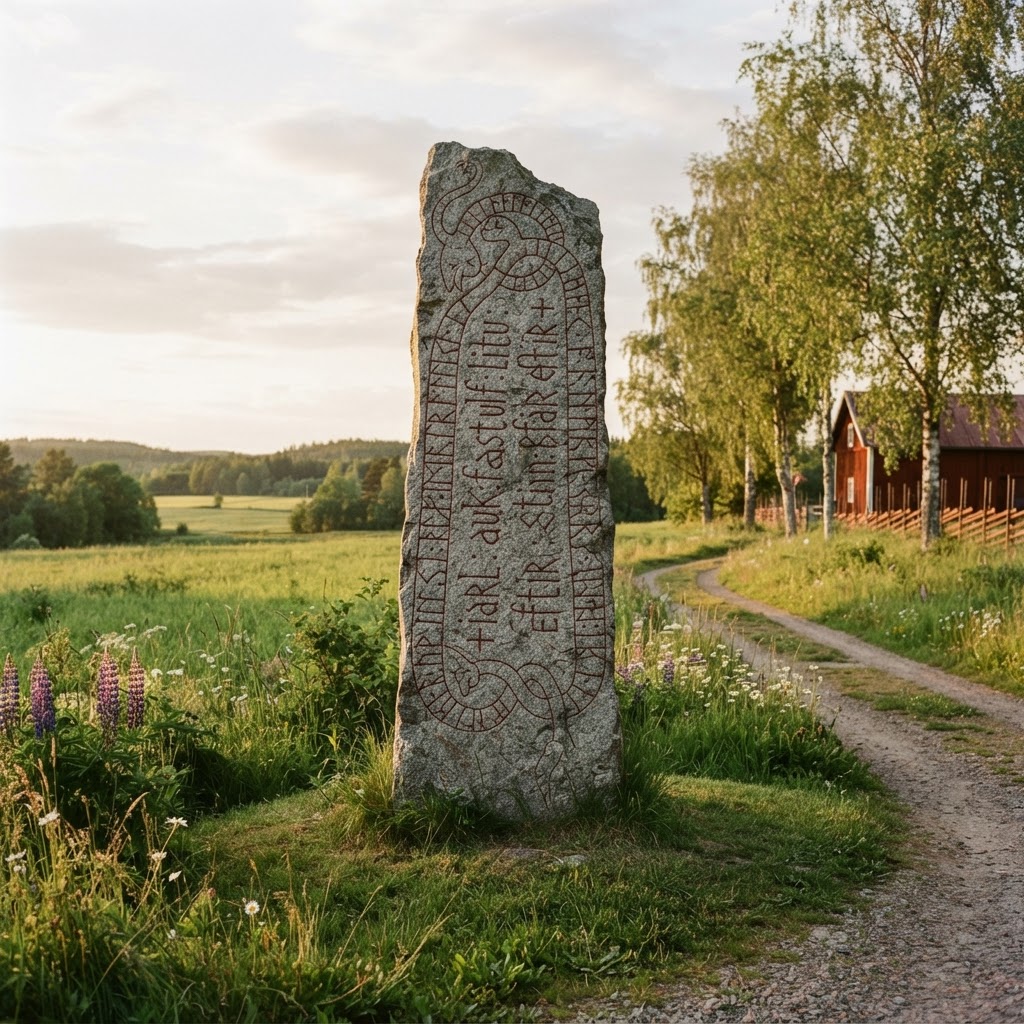
Runestones are one of the most fascinating surviving windows into their lives.
The region of Uppland, where Uppsala is located, has more than 1,300 known runestones, the highest concentration in the world. Many were erected during the 11th century toward the end of the Viking Age.
They are reminders that history isn't only about famous kings.
It is also about families wanting someone to be remembered.
The Birth of Stockholm
Stockholm came later.
The city was established in the 13th century, and the area we now call Gamla Stan formed the heart of the early settlement.
Its location was not accidental.
Stockholm sits where Lake Mälaren meets the Baltic Sea, giving the settlement strategic importance for trade and defence.
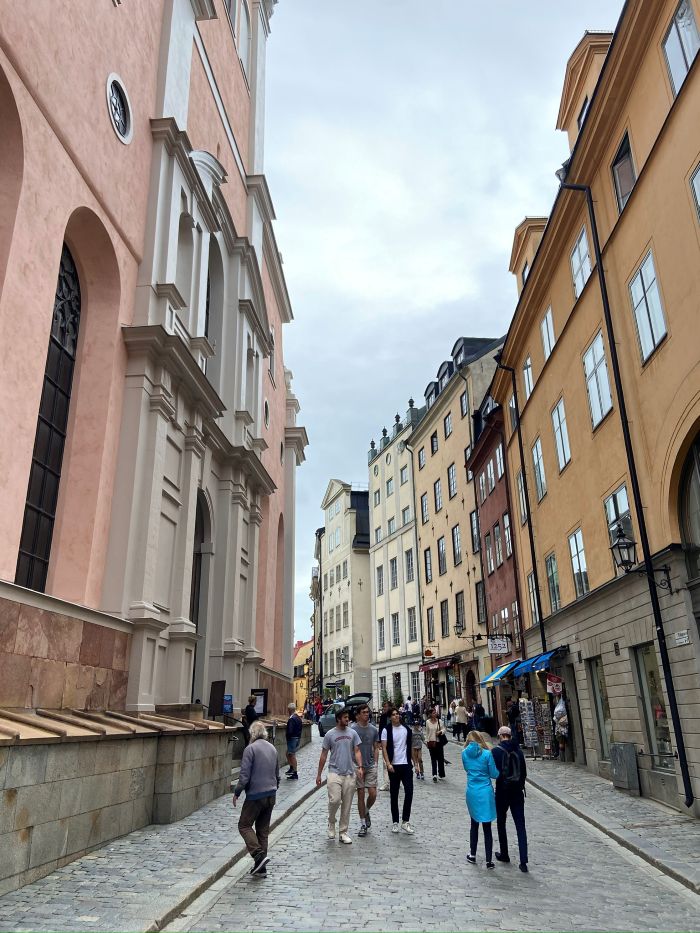
Today, walking through Gamla Stan is one of the easiest ways to connect with medieval Stockholm.
Of course, the district you see today isn't frozen in the Middle Ages. Many surviving buildings date from the 16th and 17th centuries.
But the narrow streets still preserve the shape and atmosphere of an older city.
That was something I appreciated while walking around.
You don't have to enter a museum to begin experiencing Stockholm's history.
Sometimes you just have to look up.
Gustav Vasa and the Making of Modern Sweden
One name appears repeatedly when you begin learning about Swedish history: Gustav Vasa.
In 1523, Gustav Vasa was elected king, marking Sweden's departure from the Kalmar Union and helping establish the foundations of the modern Swedish state.
The date of his election — 6 June 1523 — is one reason Sweden celebrates its National Day on June 6.
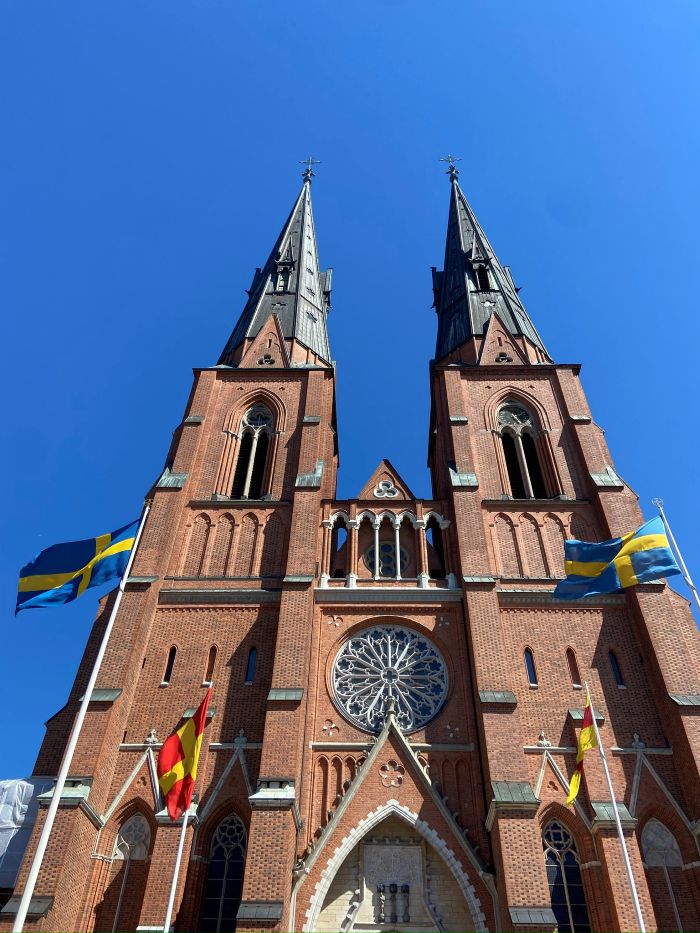
The Vasa dynasty would go on to play a major role in Swedish history.
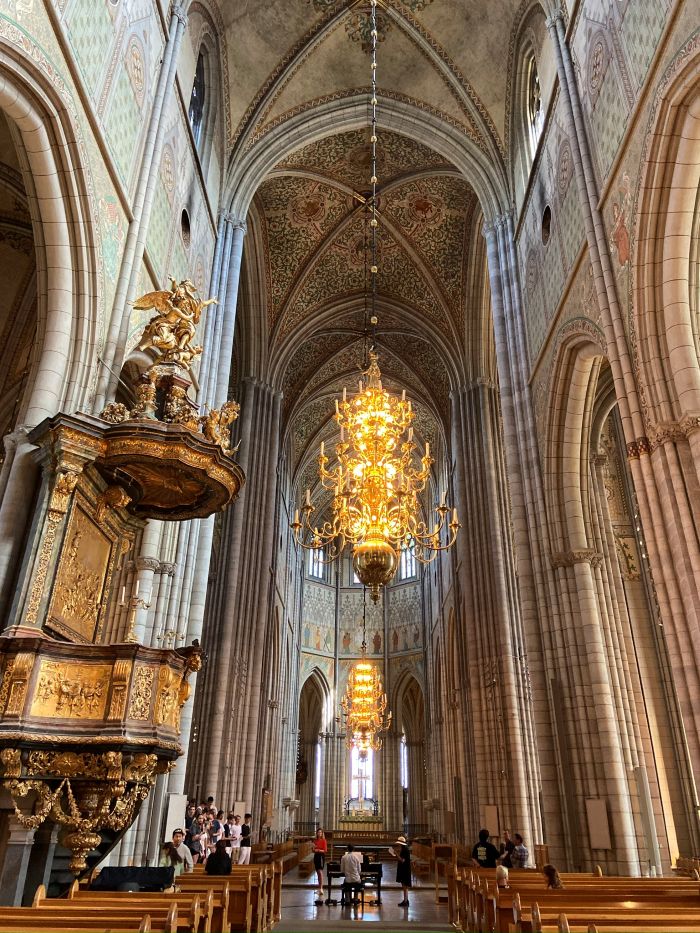
And eventually, that name became attached to one of Stockholm's most extraordinary tourist attractions.
For all the wrong reasons.
The Vasa: Sweden's Most Famous Maritime Disaster
Imagine building one of the most impressive warships of your era.
It is richly decorated and intended to demonstrate military power.
Crowds gather.
The ship begins its maiden voyage.
And then it sinks before it has really gone anywhere.
That, in simplified form, is the story of the Vasa.
The warship sank in Stockholm harbour in 1628 on its maiden voyage.
It remained underwater for more than three centuries before being raised in 1961.
Today, the remarkably preserved ship is displayed at the Vasa Museum on Djurgården.
And this is where Stockholm history becomes wonderfully tangible.
You can read a paragraph about Sweden becoming a European power in the 17th century.
Or you can stand beside an enormous surviving warship commissioned during that period.
The second option is much harder to forget.
When Sweden Was a European Great Power
The 17th century was an extraordinary period in Swedish history.
Sweden expanded its influence around the Baltic and became a significant European military power.
Stockholm developed alongside that expansion.
Wealth, administration and political power increasingly concentrated in the capital, reshaping the city.
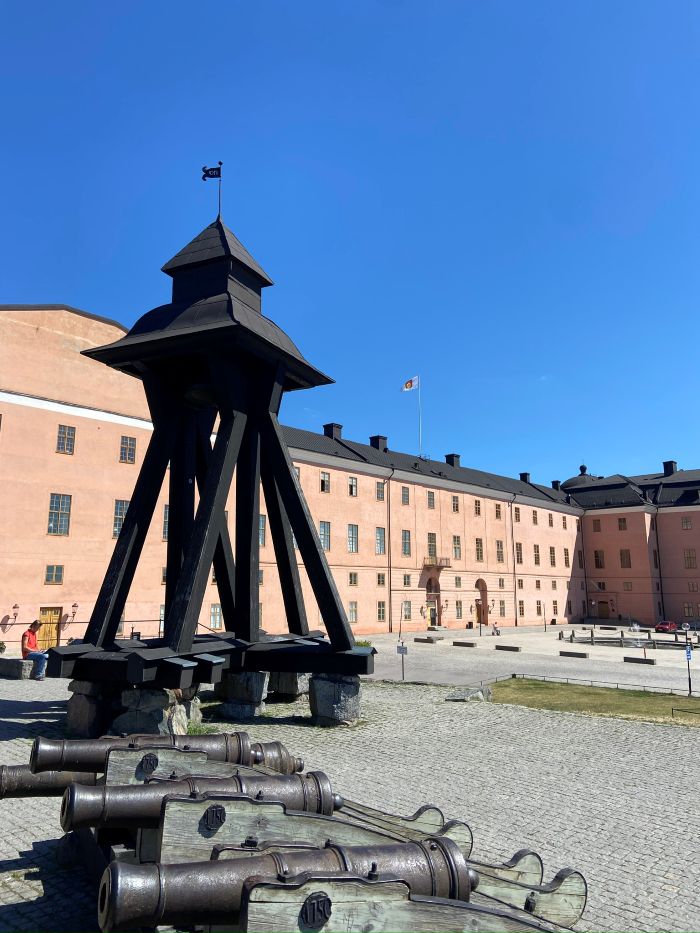
But Sweden's period as a great power did not last forever.
Wars, changing alliances and defeats eventually reduced its territorial influence.
The country gradually followed a very different path from the military state represented by ships such as the Vasa.
Stockholm's Royal Legacy
The monarchy remains physically present in Stockholm through the Royal Palace in Gamla Stan.
Even if royal history isn't normally your favourite subject, the palace matters because it sits directly within the historical centre of the city.
This area has been associated with Swedish royal power for centuries.
It also helps connect the different versions of Stockholm.
You can walk through medieval-looking streets and arrive at an enormous royal complex, then continue toward modern neighbourhoods, restaurants and shopping streets.
History here isn't separated neatly into one district.
It overlaps.
Midsummer: History That Is Still Alive
Not all history belongs in museums.
We travelled in June around Midsummer, one of Sweden's most important cultural celebrations.
Midsummer is connected with the summer solstice and has traditions involving flowers, food, dancing and the maypole. Modern celebrations usually feature dishes such as pickled herring, new potatoes, salmon and strawberries.
What I like about traditions like this is that they remind you history isn't simply a sequence of kings and wars.
It is also what people continue to eat, celebrate and repeat.
Stockholm Today: History Without Feeling Stuck in It
What I liked most about Stockholm was that it didn't feel like a city obsessed with preserving itself behind glass.
Gamla Stan is historic, but people still eat, drink, shop and live there.
Djurgården has museums, but it also has cafés, green spaces and an amusement park.
The harbour once carried warships and merchants; today its ferries are part of normal public transport.
That relationship between old and new makes Stockholm especially enjoyable.
From Viking Burial Mounds to a Modern Scandinavian Capital
If you're interested in Swedish history, I strongly recommend combining Stockholm with Uppsala.
Together they tell a much bigger story.
Old Uppsala takes you into pre-Viking and Viking-age Scandinavia.
Gamla Stan introduces medieval Stockholm.
Gustav Vasa brings you into the formation of modern Sweden.
The Vasa warship represents Sweden's ambitions as a 17th-century European power.
And modern Stockholm shows what the country became afterward: urban, international, design-conscious and closely connected to nature.
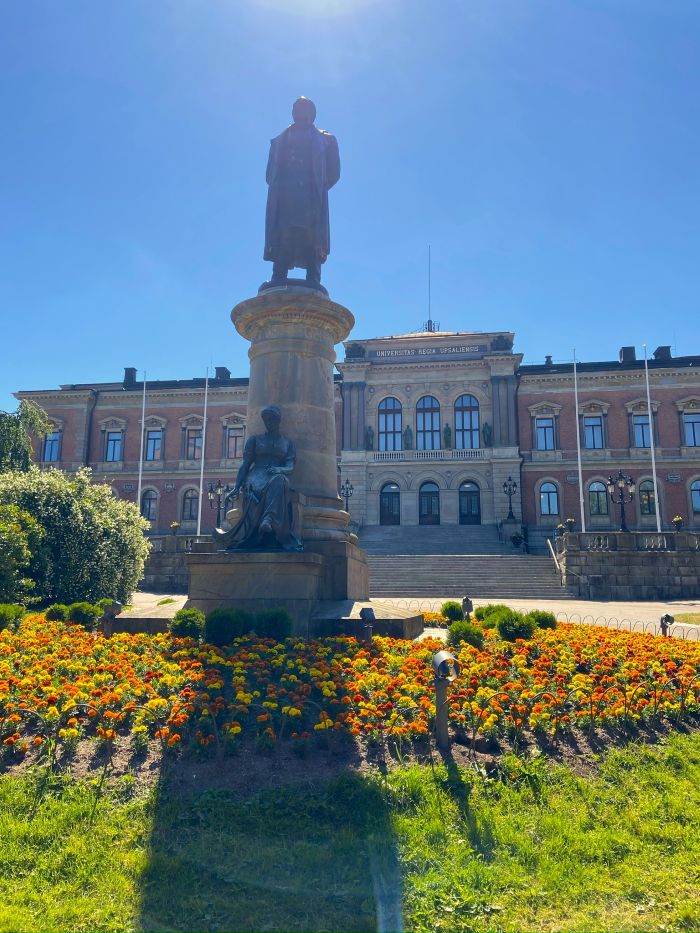
Before travelling there, I mostly thought about Stockholm as a beautiful Scandinavian capital built on islands.
After visiting it, I thought much more about the layers underneath.
The forests, waterways and islands that make Stockholm so beautiful today also shaped the people who lived here centuries ago.
Maybe that's why history feels particularly close in Sweden.
You can leave a modern hotel, board a ferry, walk through a medieval street, stand beside a 17th-century warship and, the next day, find yourself among ancient burial mounds outside Uppsala.
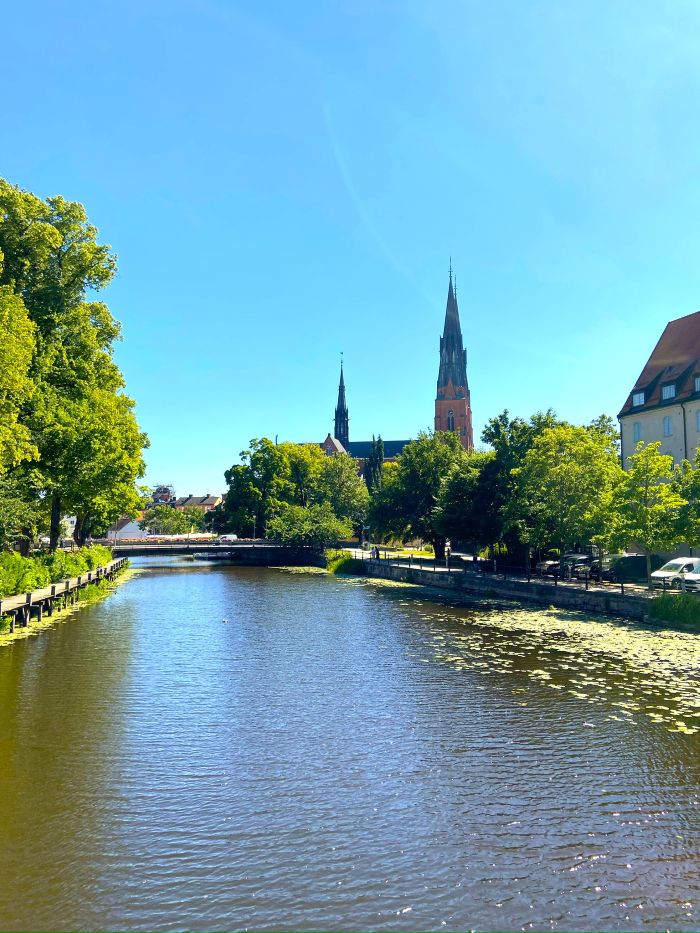
For me, that's one of the most compelling reasons to visit.
Stockholm doesn't make you choose between a city break, nature and history. Somehow, it gives you all three.
Start here
The Full Itinerary
Everything I wrote about Stockholm follows this plan — read it first, then pick the day or the place you want to go deeper on.

Keep reading
More From Stockholm

Travel guides · 5 min read
Uppsala In One Day – A Day Trip From Stockholm
One easy day out of Stockholm: the Royal Mounds of Gamla Uppsala, the old church and bell tower, the Viking museum and an afternoon in the…
28 October 2026

Hotel reviews · 5 min read
Sheraton Stockholm Hotel – A Touch Of Luxury In The Heart Of Stockholm - Review
An elegant hotel in Norrmalm with an unbeatable central location — a full look at the rooms, dining, wellness and what to consider before…
28 October 2026


Destination stories · 6 min read
From ABBA to Avicii: How Sweden Became a Pop Music Superpower
ABBA, Roxette, Avicii and Max Martin: how Sweden became one of the world's most remarkable pop-music ecosystems.
19 October 2026


Travel guides · 7 min read
What to Eat in Stockholm: Meatballs, Fika and Toast Skagen
Köttbullar, fika, Toast Skagen and shrimp salad: the traditional Swedish food I tried in Stockholm, and where to eat it.
12 October 2026

Hotel reviews · 4 min read
Elite Hotel Marina Tower Stockholm - Review
Elite Hotel Marina Tower, Spa & Resort, located in the Danviken/Saltsjöqvarn area in Stockholm, just across the water from Djurgården.
9 October 2026

